

Everything You Need to Know About Choosing the Right Sponge Conveyor Belt!
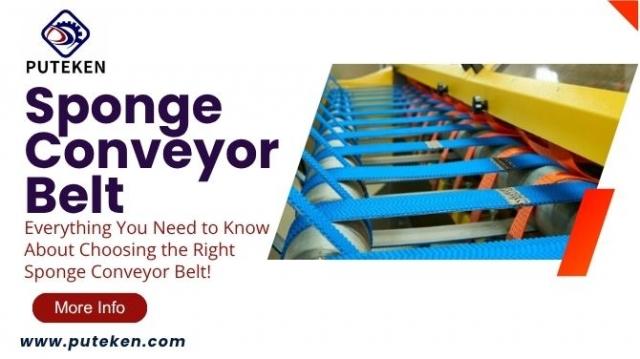
In the world of automated manufacturing and material handling, conveyors play a critical role in moving, aligning, handling, and processing products efficiently. However, not every conveyor system is the same—and when it comes to transporting delicate, lightweight, or pressure-sensitive items, a specialized solution is needed: the Sponge Conveyor Belt.
At Shanghai Puteken Transmission System Co., Ltd., we are dedicated to helping businesses across manufacturing, packaging, printing, and electronics streamline their automation processes with reliable and customized conveyor belt systems. Among our versatile offerings, the Sponge Conveyor Belt has become increasingly popular due to its soft surface, superior grip, and adaptability in handling sensitive materials like glass, paper, electronics, and even food packets.
That being said, choosing the right Sponge Conveyor Belt isn't just about finding a belt with a sponge layer. Every detail—from sponge thickness and density to backing type and temperature resistance—must match the specific demands of your application. Without a proper match, your productivity, product quality, and machine lifespan can be compromised.
What is a Sponge Conveyor Belt?
A Sponge Conveyor Belt is a type of fabricated conveyor belt with a soft, spongy surface layer typically made from cellular polyurethane, neoprene, or EPDM (Ethylene Propylene Diene Monomer). This sponge layer is laminated or vulcanized onto a base material such as rubber, PVC, or fabric, enabling it to provide a cushioned contact surface.
Common Characteristics:
- Thickness ranges from 2mm to 20mm, depending on use case
- Sponge hardness typically ranges from 10 to 50 Shore A
- Available in endless or open-ended roll formats
- Fire retardant or antistatic options are available for sensitive environments
Thanks to its unique structure, a Sponge Conveyor Belt is ideal for situations where product slippage, scratching, or breakage is a concern.
Top Industries That Use Sponge Conveyor Belts:
Sponge conveyor belts see wide usage across various sectors. At Shanghai Puteken, we've worked with clients in the following industries:
- Printing and Paper Manufacturing
Used for transporting thick sheets, books, or newspapers without scratching the surface. - Electronics and PCB Handling
Gentle treatment of semiconductors, circuit boards, and LCD screens to avoid static discharge or scratches. - Packaging and Bottling
Transfers fragile packaging boxes, sealed bags, and bottles without causing dents or deformities. - Glass and Ceramics
Especially helpful in carrying smooth or polished glass panes or ceramic tiles safely. - Pharmaceutical and Medical
Conveys pill boxes, sterile packages, and delicate instruments in a contamination-free manner. - Food and Beverage
Transports foods that come in flexible packs or require soft contact to prevent crushing.
Types of Sponge Conveyor Belts
Depending on your industry and type of application, there are several types of Sponge Conveyor Belts to consider:
- Single-Layer Sponge Belts
Used for general light-duty applications. - Double and Multi-Layer Sponge Belts
Ideal for conveyors requiring extra thickness or shock absorption. - Sponge Belts with Fabric Backing
Give better traction on drive pulleys; often used in printing machines. - Sponge Belts with Rubber or PVC Base
Adds strength and oil resistance. Best for high-speed or industrial applications. - Antistatic/fire-resistant Sponge Belts
Primarily used in electronics or volatile environments.
Each type serves a unique purpose, so understanding your operational needs is crucial before selecting an option.
Key Factors to Consider When Choosing a Sponge Conveyor Belt:
1. Material and Environmental Compatibility
Ensure that the belt material will perform well under your facility's conditions:
- Will it be exposed to oil, solvents, or water?
- Does the belt need to be fire-resistant or antistatic?
- Will contact with food require FDA compliance?
2. Sponge Thickness and Hardness
Thicker sponges provide better shock absorption but may require stronger conveyor motors. Softer hardness (lower Shore A rating) is ideal for extra-delicate materials.
3. Temperature Resistance
Know your operating range. Some sponge materials degrade under high heat or freeze at low temperatures.
4. Speed and Load Capacity
Match your belt type to the speed and weight of the transported items. Softer or thicker belts may deform under heavy loads or high-speed friction.
5. Surface Texture and Color
Sponge textures can be fine or coarse:
- Fine: Prevents product imprinting (common in electronics)
- Coarse: Improves grip, ideal for inclined conveyors
Color can also be chosen for aesthetic or functional reasons (e.g., light colors for contamination visibility).
Custom Sponge Conveyor Belt Solutions from Shanghai Puteken
No two belts are the same—especially when your machinery has unique specifications or product requirements. At Shanghai Puteken Transmission System Co., Ltd., we specialize in custom sponge belt manufacturing.
We offer:
- Thickness ranging from 1mm to 20mm
- Custom hardness based on your material handling needs
- Length and width tailored to machine size
- Surface lamination options: PU coating, cotton cover, fabric blends
- Joint methods (finger splice, endless weld, mechanical fasteners)
Talk to our technicians for 1-on-1 design support or send us your drawings for rapid prototyping and mass production.
Maintenance Best Practices
To get the most out of your Sponge Conveyor Belt, regular care is essential:
- Routine Inspection
Look for signs of deformation, cracks, or delamination after every 100 hours of use. - Cleaning
Use soft brushes or compressed air for cleaning. Avoid hard scrapers that could gouge the sponge surface. - Alignment Checks
Ensure your conveyor system is correctly aligned to prevent uneven wear or belt shrinking. - Storage
Store belts in dry, ventilated areas away from direct heat and UV exposure.
Choose Quality, Choose Wisely
When it comes to handling sensitive materials or achieving precise product control, a Sponge Conveyor Belt is an indispensable part of your system. While it may look simple on the surface, the right belt can significantly improve your production efficiency, product protection, and operational reliability.
By selecting a high-quality product tailored to your application and partnering with the right manufacturer, you not only reduce downtime and replacement costs—you ensure your operations run smoothly day after day.
FAQ –
Q1: How long does a sponge conveyor belt typically last?
A: Lifespan varies by usage and environment. In mild conditions and with proper maintenance, belts can last 12 to 36 months. Heavier-duty belts in high-speed or abrasive conditions may need replacement within 6–12 months.
Q2: Can sponge conveyor belts be used in food processing?
A: Yes. However, only belts made with FDA-approved or food-grade materials are recommended. Always confirm that the sponge type and coating are safe for contact with consumables.
Q3: How is a sponge belt installed on an existing conveyor?
A: Belts can be fabricated endlessly or joined on-site with metal fasteners or finger splicing. The installation method depends on your conveyor length, tension tolerance, and design.
Q4: Can I get a sponge belt with extra grip for inclined conveyors?
A: Absolutely. We offer belts with textured sponge surfaces or added tread patterns to improve traction and prevent slippage on inclined planes.
Q5: Do sponge belts support printing or urgent conveyor operations?
A: Yes. Certain models are ideal for printing and label machines, offering high grip without damaging print surfaces. We also offer anti-static properties for safe high-speed movement.
Q6: Are repairs possible on a sponge conveyor belt?
A: Minor surface dents can be patched, but for structural breakdowns or heat damage, a full replacement is typically recommended for safe operation.
Q7: Do you offer on-site consultation or international shipping?
A: Yes! At Shanghai Puteken, we provide technical consultation and offer worldwide logistics with flexible MOQ for small or large orders.